Signal Detectors
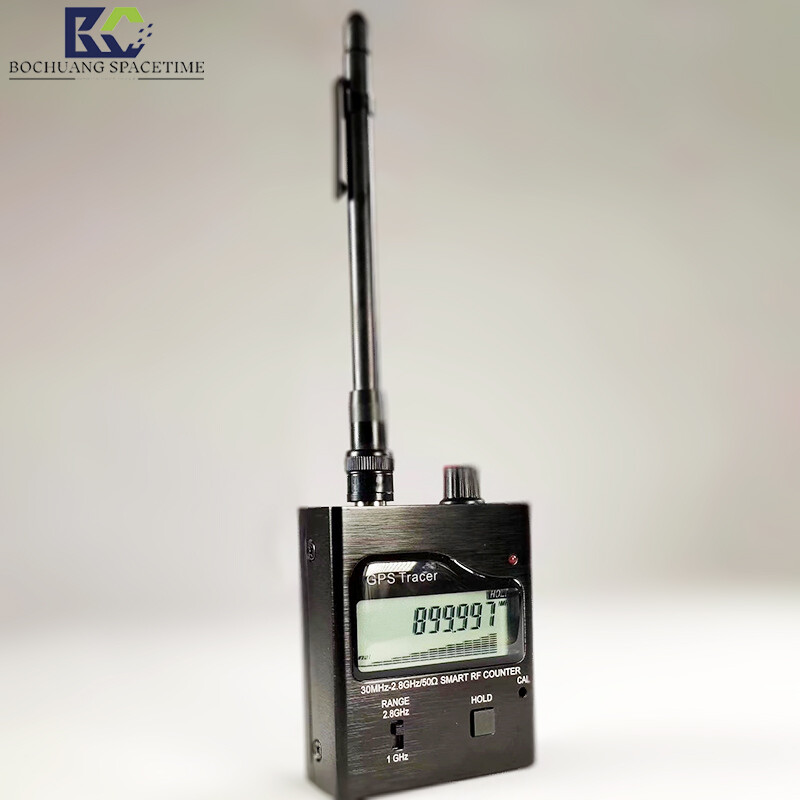
Detection units for locating unauthorized transmitters and monitoring spectrum activity across meeting rooms, vehicles, and controlled sites.
Signal Detector
1 models
Buying guide
Detectors locate unauthorized transmitters. Compare band coverage, sensitivity, and scan speed to select the right model. Wideband units are ideal for routine sweeps; directional probes help pinpoint a source step-by-step; portable models suit travel and temporary inspections. Establish a noise baseline in a known clean room, then monitor signal strength changes and use a near-field probe to narrow the search area. For frequency-hopping or burst transmissions, choose a faster scanning model to avoid missing short events. Typical applications include eavesdropping checks in meeting rooms and offices, inspections of controlled spaces, and troubleshooting installed equipment. Field teams should verify battery runtime and alarm thresholds before deployment.
Frequently asked questions
Can it detect hidden cameras or bugs?
Detects active wireless transmissions and, when used with a near-field probe, helps narrow the search area. Wired or offline devices still require physical inspection in addition to the sweep.
Is the sensitivity adequate?
Sensitivity and scan speed vary by model. Establish a noise baseline in a known clean room, then compare against abnormal signal changes for more reliable results than a single reading.
Where is it typically used?
Routine sweeps of meeting rooms, offices, and controlled areas, plus equipment troubleshooting and event security. Portable models are ideal for travel and temporary inspections.